

Serengeti National Park
Serengeti National Park is one of the most famous wildlife destinations in Tanzania and one of Africa’s most remarkable safari destinations. It is located in the northern safari circuit of Tanzania and is internationally recognized for its vast savannah plains, exceptional wildlife, and the annual Great Migration of wildebeest, zebras and gazelles.
Serengeti National Park is a UNESCO World Heritage Site and Biosphere Reserve, and forms the heart of the wider Serengeti ecosystem. The park is particularly famous for its large concentrations of plains game and predators, including lions, leopards, cheetahs, elephants, giraffes, buffaloes and many other species. The annual migration of more than one million wildebeest, together with hundreds of thousands of other ungulates, is known to be one of the world’s most impressive natural spectacles.
Serengeti National Park was established in 1951, making it Tanzania’s oldest national park. The park’s boundaries were later changed and enlarged in 1959 to cover approximately 14,763 square kilometres (5,700 square miles). It is part of a much larger Serengeti ecosystem that extends beyond the national park and includes several adjoining protected areas.
The Serengeti is home to a remarkable concentration of wildlife, including lions, leopards, cheetahs, elephants, giraffes, buffaloes, zebras, wildebeest, hippos, gazelles and many other animals. It is also famous for the Great Migration, a continuous natural movement of huge herds across the Serengeti ecosystem in search of fresh pasture and water.
The Great Wildebeest Migration in Serengeti
 The Great Migration is probably the most famous attraction in Serengeti National Park. More than one million wildebeest, together with large numbers of zebras and gazelles, move through the Serengeti ecosystem in a roughly annual cycle following rainfall, fresh grass and water. The timing and location of the herds can vary from year to year because the migration is influenced by weather and environmental conditions.
The migration takes place across a much larger ecosystem rather than remaining within Serengeti National Park alone. The herds move between different areas of the Serengeti and adjoining protected areas, including the Ngorongoro Conservation Area and, farther north, Kenya’s Maasai Mara. The movement creates spectacular opportunities to see large herds, predators and, at certain times and locations, river crossings.
Sections of Serengeti National Park
The Serengeti is commonly described according to several geographical areas, each offering a different safari experience.
Seronera and Central Serengeti
Seronera Valley, in the central part of the park, is one of the most popular safari areas in Serengeti National Park. The name Serengeti is associated with the Maasai word “Siringit,” commonly interpreted as meaning “the endless plains.”
Central Serengeti is characterized by open savannah, acacia trees, rocky kopjes and a permanent water supply that supports wildlife throughout much of the year. The area is particularly well known for its high concentration of predators and resident wildlife, making it a popular destination for game drives.
Western Corridor
The Western Corridor is marked by the Grumeti River and consists of more wooded and densely vegetated areas than some of the open central plains. During parts of the annual migration, large herds move through this region.
The Grumeti River is also known for its crocodiles, while lions, leopards, cheetahs and other predators can be encountered in the surrounding area. The timing of the migration through the Western Corridor varies from year to year, so visitors should not expect the herds to arrive on exactly the same dates every season.
Northern Serengeti and Lobo
The northern part of Serengeti, including the Lobo area, is characterized by rolling hills, woodlands and open grasslands. Northern Serengeti lies close to the border with Kenya’s Maasai Mara ecosystem.
During parts of the year, migrating herds move through northern Serengeti before continuing toward Kenya. This region generally receives fewer visitors than the central Serengeti and can provide a quieter safari experience.
Southern Serengeti
Southern Serengeti is famous for its short-grass plains and its importance to the Great Migration. The area around Ndutu, close to the boundary between Serengeti National Park and the Ngorongoro Conservation Area, becomes especially important during the calving season.
From approximately December through March, large numbers of wildebeest gather across the southern plains when conditions are suitable. The calving period also attracts predators such as lions, cheetahs, hyenas and other carnivores.
Attractions in Serengeti National Park
Big Five
Serengeti National Park is home to the African Big Five: lions, leopards, elephants, buffaloes and black rhinoceroses. Seeing these animals is one of the main reasons visitors choose a Serengeti safari, although sightings of individual species, particularly rhinos, can vary.
Wildlife Abundance
Apart from the Big Five, Serengeti supports a remarkable variety of mammals. Wildlife commonly seen includes wildebeest, zebras, giraffes, hippos, impalas, Thomson’s gazelles, Grant’s gazelles, warthogs, topis, elands, waterbucks and many other species.
The park is also renowned for its large predator populations. Lions, leopards, cheetahs and spotted hyenas can be found in different areas of the Serengeti, while the movement of migrating herbivores creates important predator-prey interactions. UNESCO identifies the Serengeti as supporting one of the world’s most significant large predator-prey systems.
People and Culture
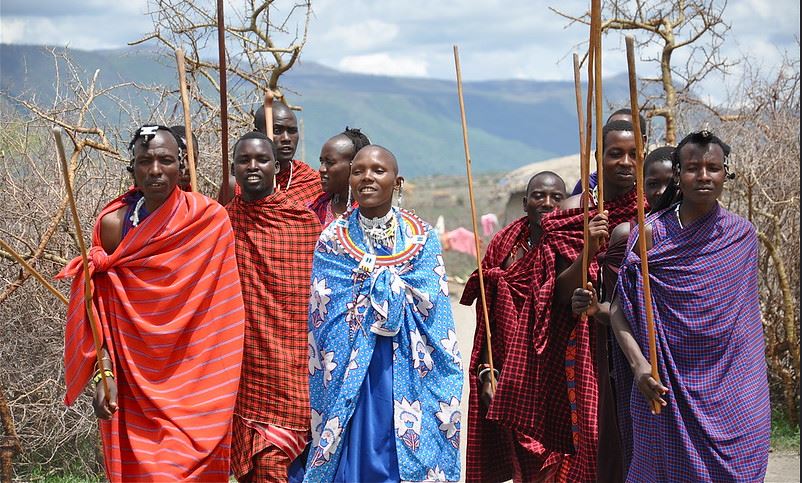
Communities living around the wider Serengeti ecosystem also contribute to the cultural experience of a northern Tanzania safari. Cultural tours can provide visitors with opportunities to learn about local traditions, livelihoods and ways of life.
The Maasai are particularly associated with the wider Serengeti and Ngorongoro landscapes, where their pastoral traditions have continued alongside wildlife conservation.
The Great Migration
The Great Migration is one of the major reasons for the worldwide popularity of Serengeti National Park. The movement of huge herds of wildebeest, zebras and gazelles across the ecosystem is a spectacular natural phenomenon and one of the world’s most important wildlife events.
Bird Watching
Serengeti is also an excellent destination for bird watching. More than 500 bird species are recorded in the park, including ostriches, rollers, vultures, eagles, secretary birds and numerous other resident and migratory species. UNESCO notes that the park has more than 500 bird species, including species endemic to Tanzania.
Activities in Serengeti National Park
Game Drives
Game drives are the main activity in Serengeti National Park. Visitors explore the plains, woodlands, river valleys and kopjes in specially equipped safari vehicles while searching for lions, elephants, leopards, cheetahs, buffaloes, wildebeest, zebras, giraffes and many other animals.
Game drives can be arranged in different parts of Serengeti depending on the season, the location of wildlife and the visitor’s safari itinerary.
Cultural Tours
Cultural tours can be organized to Maasai communities around the Serengeti and Ngorongoro area. Visitors can learn about Maasai traditions, pastoral lifestyles, food, age-set systems, ceremonies and other aspects of community life. Tours should be conducted respectfully and with the participation of local communities.
Walking tours and cultural experiences are also available in selected areas outside the national park, depending on local regulations and the specific safari itinerary. Visitors interested in Maasai culture can learn more through the Maasai page.
Balloon Safaris
Balloon safaris are one of the most memorable ways to experience the Serengeti. Early-morning flights provide an aerial view of the plains and wildlife before the flight concludes with a traditional bush breakfast, subject to weather conditions and operator availability.
Hiking and Walking Activities
Walking and hiking experiences can be arranged in selected areas around the Serengeti ecosystem, subject to park regulations and the location of the activity. Visitors can enjoy guided walking experiences that provide a closer understanding of the landscape, plants, tracks and smaller wildlife.
Visitors looking for more information about safari activities can explore the activities and attractions available in the northern Tanzania safari circuit.
Photographic Safaris
The Serengeti’s open plains, wildlife, kopjes, rivers, woodlands and changing light make it an excellent destination for photographic safaris. Visitors can photograph wildlife as well as the landscapes and natural scenery that make the Serengeti famous.
Camping
There are different camping options in and around Serengeti National Park, ranging from basic campsites to more comfortable tented camps. The available accommodation depends on the location, season and safari itinerary.
Picnic Tours
Picnic stops are incorporated into many Serengeti safari itineraries. Visitors can enjoy packed meals at designated picnic areas while taking a break from game drives and experiencing the surrounding landscape.
Best Time to Visit Serengeti National Park
Serengeti National Park can be visited throughout the year, although different seasons offer different wildlife experiences.
The dry season, generally from June to October, is popular for game viewing because vegetation is thinner and wildlife can be easier to spot around available water sources. The months of June and July can also offer opportunities to see parts of the Great Migration in the Western Corridor and northern areas, depending on rainfall and herd movements.
From approximately December to March, the southern Serengeti and Ndutu area can become a major focus of the migration, particularly during the calving season.
The migration does not follow an exact calendar, however. Rainfall and local conditions determine where the herds are at any particular time, so anyone planning a safari specifically to see the Great Migration should choose the safari area and travel dates according to the expected seasonal movement rather than relying on fixed dates.
Getting to Serengeti National Park
Serengeti National Park is accessible by both road and air.
By Road
Road travel is one of the most popular ways to reach Serengeti, particularly for visitors taking a northern Tanzania safari circuit. Safari vehicles commonly travel from Arusha toward the park, with the journey time depending on the route, road conditions, stops and the specific Serengeti area being visited.
The distance from Arusha to Serengeti varies according to the entrance and destination within the park. Naabi Hill Gate is one of the principal entry points for visitors approaching from the southeast.
Visitors can also combine Serengeti with other northern circuit destinations, including the Ngorongoro Conservation Area, Tarangire National Park and Lake Manyara National Park.
Private vehicles can be used in Serengeti subject to Tanzania National Parks regulations, although many visitors choose an organized safari with an experienced driver-guide because of the distances involved, wildlife viewing requirements and road conditions.
By Air
Serengeti can also be reached by scheduled or charter flights from Arusha and other destinations in Tanzania. Several airstrips serve different parts of the park, allowing visitors to fly closer to their chosen lodge or camp and reduce the amount of time spent travelling by road.
For international travellers, Kilimanjaro International Airport (JRO) is a major gateway for northern Tanzania. Arusha Airport also serves safari travellers with domestic and regional connections.
The choice between road and air depends on the safari itinerary, budget, available time and the part of Serengeti that the visitor wants to explore.
Accommodation in Serengeti National Park
 Visitors have a wide range of accommodation options in and around Serengeti National Park, from campsites and mobile tented camps to mid-range and luxury lodges.
Accommodation can be found in different areas of the park, including Central Serengeti, the Western Corridor, Northern Serengeti and the southern areas around Ndutu. Choosing where to stay is important because it can affect the amount of time spent travelling between the accommodation and the main wildlife areas.
Accommodation options in and around the Serengeti include Serengeti Simba Lodge, Serengeti Serena Safari Lodge, Lahia Tented Lodge, Kati Kati Tented Camp, Kubu Kubu Tented Camp, Serengeti Explorer Camp, Serengeti Acacia Camp, Acacia Seronera Luxury Camp, Nimali Serengeti and Nimali Mara.
Availability and operating arrangements can change between seasons, so accommodation should be selected according to the intended travel dates and the area of Serengeti that visitors want to explore.
Serengeti National Park remains one of the world’s most important wildlife destinations because of its enormous savannah landscapes, year-round wildlife and the spectacular ecological cycle of the Great Migration. Whether visiting for the Big Five, the wildebeest migration, bird watching, photography or a classic Tanzania safari, Serengeti offers a wide range of experiences across its different regions.

