
When to go to Ngorongoro Crater?
Best Time to Visit Ngorongoro Crater
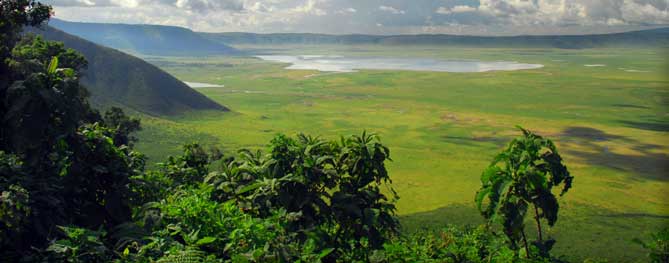
When to go to Ngorongoro Crater? or the best time to visit Ngorongoro crater are some of the FAQs asked by safari enthusiasts on an African Safari. Ngorongoro Crater, hidden away in the mountains of northern Tanzania, is commonly referred to as the “Eighth Wonder of the World.” Created by the collapse of a colossal volcano roughly three million years ago, this stunning caldera is today one of Africa’s most legendary Tanzania wildlife safari spots.
Nestled within the Ngorongoro Conservation Area, the crater itself is home to over 25,000 wild animals, including lions, elephants, hippos, zebras, Wild hunting dog and Golden Cat, the almost extinct black rhino and bird species like Ostriches, Open bill stork, kori bustards, secretary birds, different kinds of Eagles and many others. It’s one of the only places on the continent where you are able to view all of the Big Five in one day.
Aside from its astounding wildlife, Ngorongoro has sweeping vistas, fertile volcanic soils, and a living link to centuries of Maasai tradition. Although the crater delivers unforgettably good times every season, the time of your visit can be different between an extraordinary trip and an outstanding one. From the best wildlife viewing to the off-seasons with dense greenery and minimal crowds, knowing when to arrive is the secret to maximizing your Tanzania adventure.
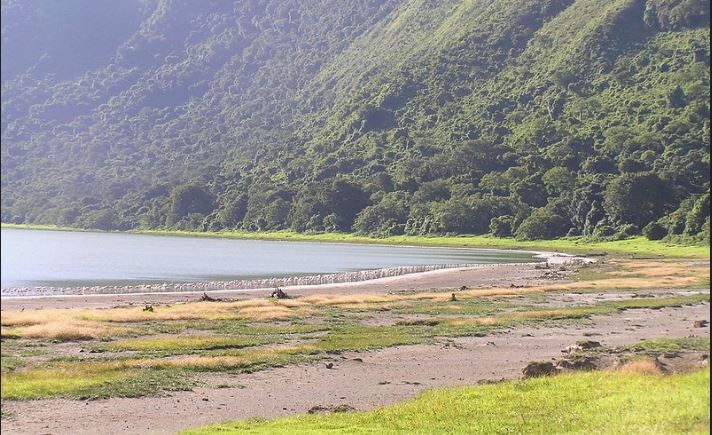
The climate of the conservation area favors it to be visited throughout the year, though the most and the best months are the dry months when the animals all come close to the caldera lake for water , this makes all the hiding animals easily seen, as predators use the area around the lake as their traps for the prey while the grazers come there to quench their thirst, making the Ngorongoro crater Conservation Area more active and lively most times easy to see lions hunting the prey live infront of the tourist cars.
Although the crater can be visited year-round, your car must be in good mechanical condition and have 4-wheel drive before you are allowed to descend into the crater and enjoy the game drives. The most preferred months are June to September and December to February and below are the details of the seasons experienced in Ngorongoro Crater Conservation Area:
January to March: The Green Season, Perfect for Photographers and Calving Season
From January to February, it is the calving season for the wildebeest in the Ngorongoro crater Conservation Area, both inside and outside the crater this gives you the chance to enjoy the calving season without having a long drive to Ndutu Plains to see the calving migration, you will enjoy this period for good pictures of the newborns and the process of wildebeests giving birth. This attracts more predators to be seen easily at the crater as they take advantage of the easy hunt of the young ones at most times with little struggle.
The green season, also known as the rainy season or low season of Tanzania bush holidays, gives a great advantage to visitors who want to experience the best at a low cost due to reduced prices and also gives high privacy and also prime viewing time for speckled bird-watching adventures with Focus East Africa Tours in various habitats accessible in the crater.
There are many bird migrants like the pallid and montague’s harriers, caspian lapwing and rosy-breasted longclaw. Ground-nesting birds include splay-footed ostriches, grotesque kori bustards and freakish secretary birds, together with elegant grey crowned cranes. Tree nesters range from huge white-backed vultures to tiny rufous-tailed weavers and blue-mantled superb starlings. Augur buzzards and long-crested eagles soar above the caldera rim while thousands of lesser flamingos and other waders form a pink haze on central Lake Magadi
April to May: The Long Rains, Low Season Challenges and Rewards
April and May are Ngorongoro’s long wet season. They’re the worst time to go, and rightly so; rain can render roads slippery and temporarily shut down some of the lodges, such as &Beyond Ngorongoro Crater Lodge, Ngorongoro Serena Safari Lodge, Ngorongoro Sopa Lodge and many more. Tanzania Safari operations still go on, but inclement weather may restrict access to certain areas.
That said, this season has its own quiet appeal. The crater is lush, peaceful, and nearly empty of tourists. If you’re looking for a true off-the-beaten-path experience or traveling on a tight budget, this might be your moment. Lodge and tour prices are at their lowest, and you’ll have the crater almost to yourself.
The wildlife is still present and alive, although thicker grasses and taller vegetation might make it more difficult to see them. For serious Tanzania safari fanatics and veteran travelers who can tolerate some mud, this time can reveal a special and tranquil side of Ngorongoro that not many have encountered.
June to October: The Dry Season; Best for Wildlife Viewing
Within dry seasons, the months of June to October mark the best time to visit Ngorongoro Crater for anyone who loves to enjoy the Tanzania wildlife safari experience. At this time, the landscape is barren and the climate cool and dry, so it is much simpler to find animals since they tend to congregate around the few areas where water can still be found. The short grass and open landscape provide great visibility for game drives, and the possibility of encountering large predators such as lions, hyenas, and leopards is very high.
This time of year is also when you’re most likely to see the elusive black rhino, as the drier climate often draws them into the crater floor during the day. However, note that this is also the peak of the tourist season. Lodges book far in advance, safari excursions are in demand, and accommodation prices are highest. Mornings and evenings may be cool, especially at the rim of the crater, which is more than 2,200 meters (7,200 feet) above sea level, so bring warm clothing.
November to December: The Short Rains; Shoulder Season Sweet Spot
Ngorongoro crater experiences what they call the “short rains” from mid-November to December. These usually involve short afternoon or evening showers that will not greatly impact any travel arrangements. Since this period is a shoulder season between the dry and wet seasons, it provides an opportunity for those wishing to travel during this period to avoid the high visitor numbers while still enjoying pleasant weather and good animal sightings.
After a period of rain, the landscape changes, and animals get to enjoy a new and fresh environment, and it provides great backdrops for photographers. This is also the time of the year when birdwatching improves greatly due to the arrival of European and Asian migratory birds. During this time, wildlife viewing continues to be outstanding, and you will enjoy it more due to the fewer tourists. You will also enjoy lower rates and a more relaxed safari atmosphere.
Conclusion
No matter when you visit, the Ngorongoro Crater is one of the highlights of Tanzanian safaris. As one of the world’s largest intact volcanic calderas, it offers amazing wildlife viewing and spectacular scenery year-round. That being said, understanding when to visit Ngorongoro Crater can make your Tanzania safari even better. The dry season (June to October) is ideal for viewing the Big Five and enjoying clear and pleasant game drives, while the green season (January to March) brings luscious scenery, fewer crowds, and calving season just a short distance away in the Ndutu plains.
Even the slower months bring unique value and tranquility for travelers seeking to stay away from the crowds. Whether you are planning a luxury holiday, a family safari, or a once-in-a-lifetime wildlife adventure, Ngorongoro Crater safaris form an essential part of any Tanzania safari experience, and getting the timing of your visit spot on ensures a truly unforgettable experience.
Relevant links
Wikipedia
Unesco

