

Size of Ngorongoro Crater
Size of Ngorongoro Crater
Size of Ngorongoro Crater : The main attraction in Ngorongoro conservation area is where Ngorongoro crater is located in the Western part of Arusha. Ngorongoro Crater Area commonly known as Ngorongoro conservation Area is one of the protected areas in Tanzania declared as a World Heritage site in 1979. The area was named by the Maasai locals after the world largest inactive volcanic caldera found in the area called Ngorongoro crater which means the Cow bell.
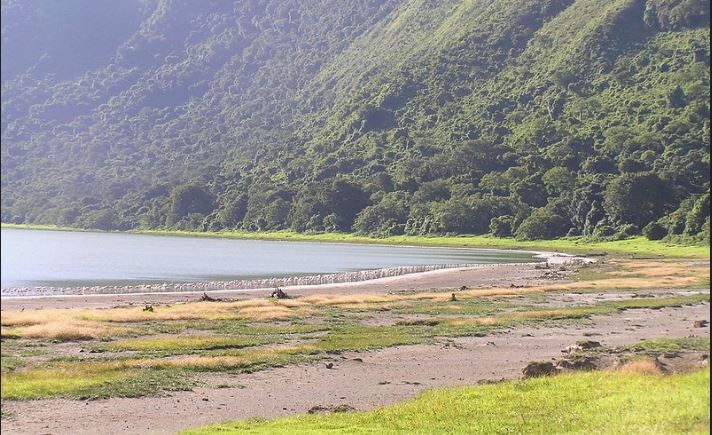
Ngorongoro Conservation Area is administered by Ngorongoro Conservation Area Authorities which is one of the arms of Tanzanian Government in charge of Conservation. Ngorongoro Crater one of the few inactive, unfilled volcanic calderas was formed after the large volcano exploded and collapsed in words to itself. The event happened about 2 to 3 million years ago. The crater is 610 meters deep an equivalent of 2,000 feet. The floor has a radius of 260 square kilometres wide mostly occupied by open savanna grassland, swamps, soda lake and forests at the cliffs of the rim.
The size of ngorongoro crater the fallen volcano was estimated to be in a range of 4,500 to 5,800 meters high an equivalent of the current present highest African Mountain that is Kilimanjaro. Currently Ngorongoro Crater floor is 5,900 feet (1,800 meters) above sea level. Ngorongoro Crater was voted as one of the 7 natural wonders of Africa by Seven natural wonders in Feb 2013. 2 to 3 million years ago, the volcanic acts were more common around Ngorongoro conservation area though the magnitude varied from place to place and these resulted in to formation of more volcanic calderas called crater lakes. The most common craters are Olmoti and Empakaai located at Ngorongoro conservation area at the North East, Oldoinyo Lengai which is one of the active volcanoes currently in Tanzania with its last eruption occurring in 2007 and 2008. Oldoinyo Lengai has continuous lava flow that is slowly filling the crater. The local Maasai people respect this mountain and named it “the Mountain of God”
The highlands of Ngorongoro Crater especially the Eastern side receives more rainfall compared to the highlands of the western side. This has created some variations in the vegetation cover of the crater with the central part dominated by the open grassland while the walls are covered by forests. The main water source to the crater rim is Munge Stream located on the North of Olmoti Crater, Lerai Stream drains from the South feeding Lerai Forest not forgetting Loitokitok Spring which is the major source of water not only to the crater but to the livelihood of most lodges around Ngorongoro crater conservation Area. Ngorongoro crater is actually big in size.
Relevant links
Unesco

